
Controlling · reporting
Reporting and controlling systems that lead to decisions, not
chaos.
Good reporting does not describe the past. It gives management and owners an advantage in the next quarter.
Implementing a controlling system and the entire management structure through an Interim Manager and Finance Engineer brings operational and financial data together as one system: from invoices and margins to cash flow and “what if?” scenarios compared in real time.
One version of the truth
a shared view of financial and operational data
Plan vs. actual
clear KPIs and visibility into profitability
Quick response
alerts about variances and answers to “what if?”

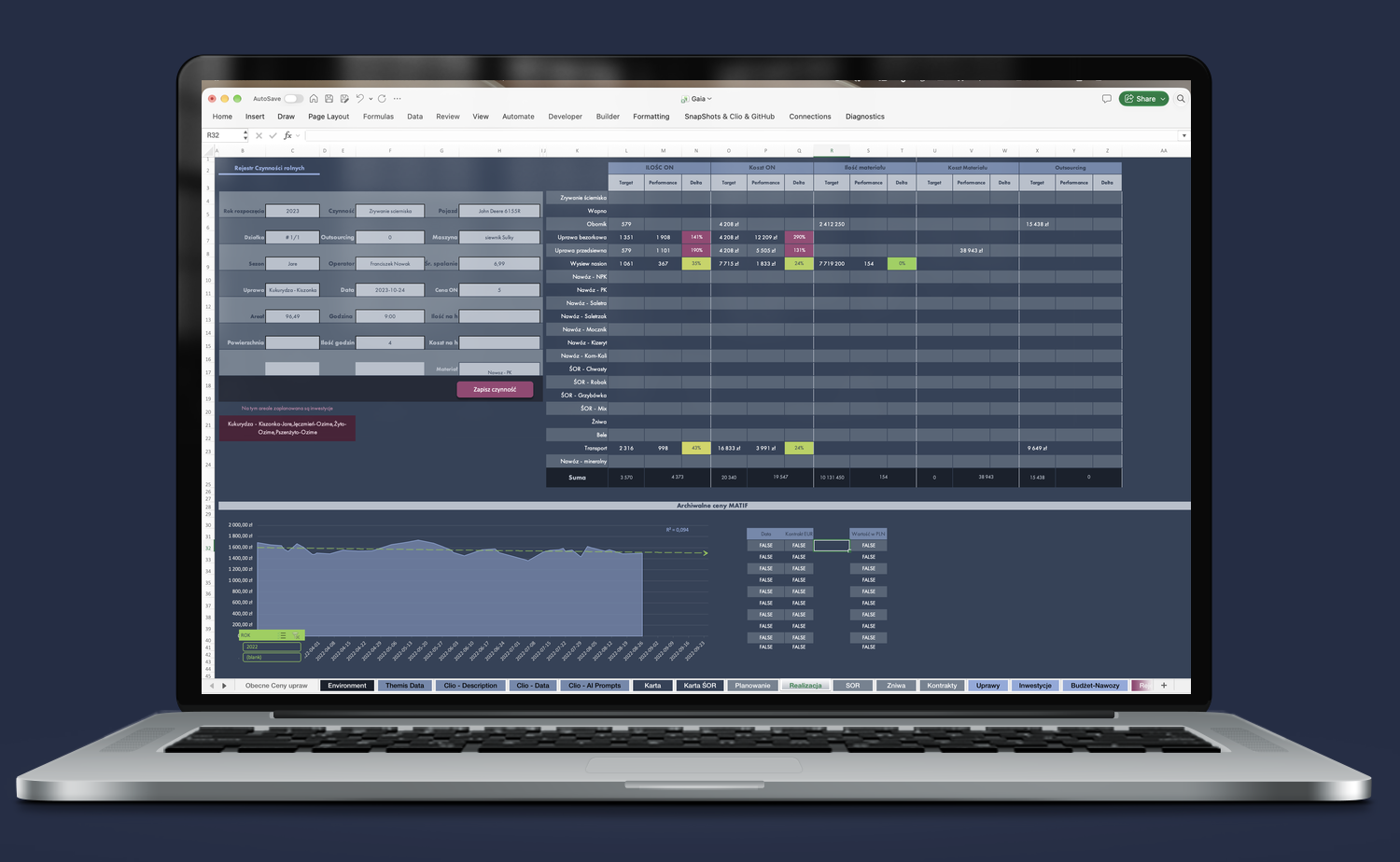
What does management expect from a reporting system?
Visibility
- one version of the truth for finance and operations
- a clear plan vs. actual view at the KPI level
- visibility into the profitability of customers, products, and channels
Quick response
- alerts about variances before a problem escalates
- a weekly decision-making rhythm, not a quarterly review
- immediate answers to “what if?”
Execution
- KPI ownership within teams
- automated reports without manually compiling data
- clear priorities for the next operational sprint
How a controlling system is designed
Decision map
First, the decisions that the data should support are defined. Only then are KPIs, data sources, and report formats selected.
Driver-based model
The system is built around business drivers: volume, price, unit cost, productivity, and capital turnover.
Data workflow automation
Data from ERP, CRM, Excel, and operational sources is automatically synchronized by the Interim Manager, and reports reach the right people on time.
Business impact after implementation
The management team works from the same picture of the company: margins, liquidity, inventory, CAPEX, and plan execution. Discussions about which figures are accurate disappear.
Controlling stops being “report production” and becomes a decision-making mechanism based on facts and scenarios.
Bring order to controlling and reporting in your company
Tell us about the nature and scale of your business so we can discuss a comprehensive controlling system implementation and a management structure tailored by an Interim Manager.
FAQ
Does implementing a controlling system require hiring a new CFO?
No. The Interim Manager’s role is to join the organization, design and implement a complete analytics architecture and management processes, and then hand over a ready-to-use, functioning mechanism to the internal team.
How is this different from a traditional monthly report prepared by accounting?
A traditional monthly report describes a closed period in the past. A system implemented by an Interim Manager supports current decisions by identifying variances and their causes while the reporting period is still underway.
Will installing controlling tools disrupt the company’s ongoing operations?
Implementation takes place in stages. The architecture is built alongside ongoing processes, helping avoid operational paralysis and bringing individual departments on board without disrupting their day-to-day work.
For which organizations does this make business sense?
For companies that want to precisely control margins, liquidity, and costs based on reliable data rather than relying on intuition or delayed quarterly reports.