

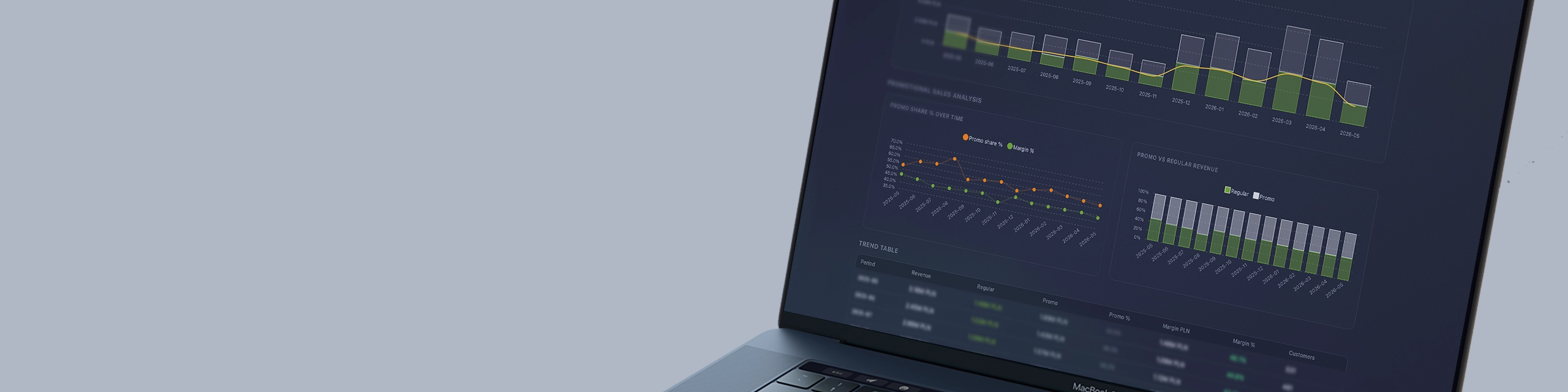
Your ERP knows everything.
It just cannot tell you.
Years of transaction history. Thousands of SKUs. Hundreds of thousands of documents.
It is all there, locked in a system designed for recording, not analysis. To answer a simple question like what to order next week, someone exports data, merges sheets, calculates manually, and makes decisions on approximations.
Origami Effect builds the layer that changes this. No ERP replacement.
No multi-month IT rollout. No extra Excel headcount.
Step 1 – Quantis unlocks what your company already has.
Quantis is an analytical and predictive layer connected directly to ERP databases through SQL.
It does not replace ERP, it unlocks its potential.
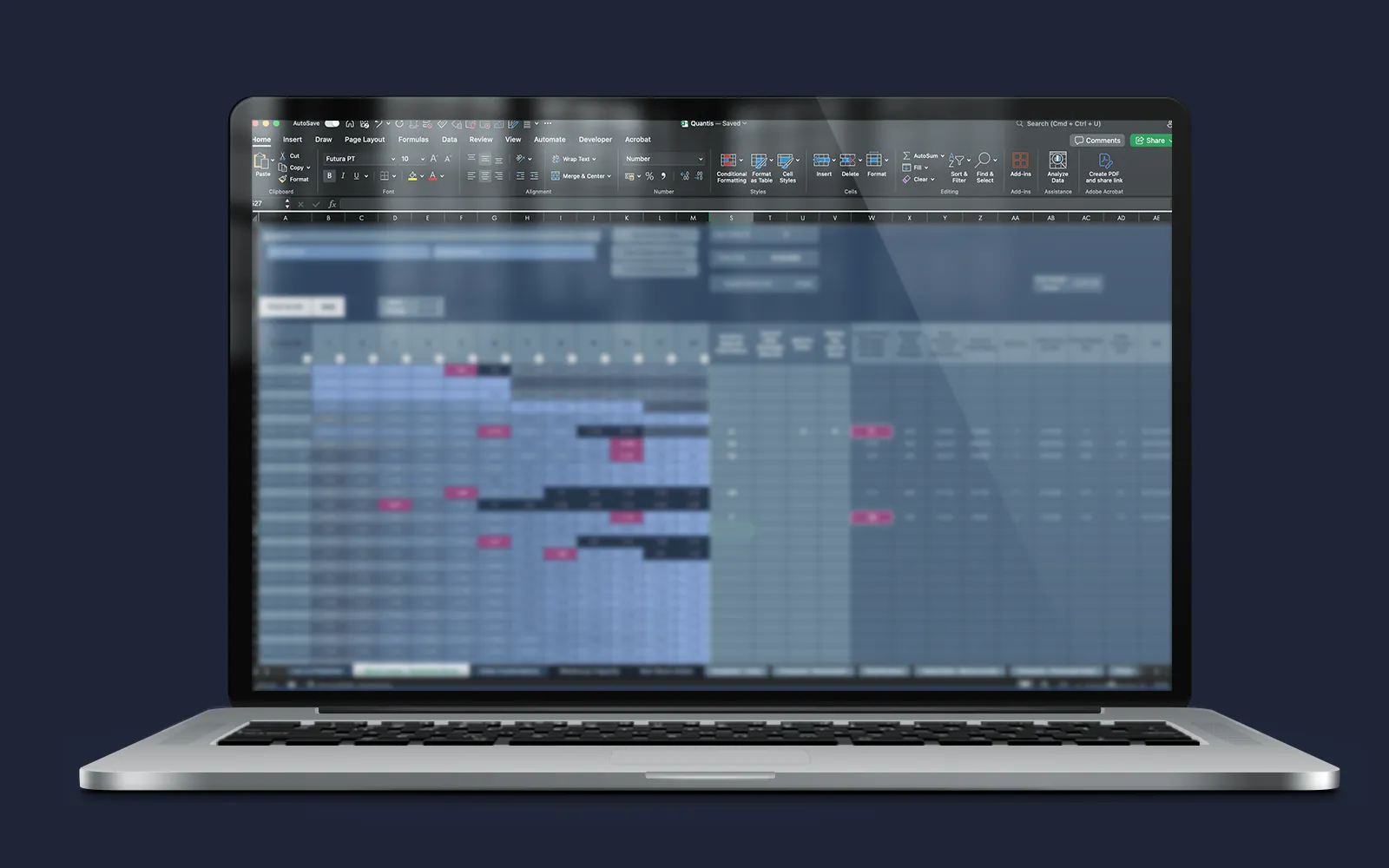
Quantis does what ERP cannot:
Demand forecasting
At SKU level, XGBoost and Facebook Prophet models detect seasonality, trends, and anomalies. Instead of monthly averages, logisticians get forecasts with confidence intervals and automated order proposals.
Dynamic ABC classification
Not manual once per quarter, but daily based on real market behavior of each product.
Price elasticity and cannibalization
Quantis answers how a X% price change affects volume and detects whether one promotion cannibalizes higher-margin products.
Next Best Actions
For sales teams, a daily ready list: who to contact, what to offer, and why. Prioritized by urgency. Each recommendation includes rationale, not only a score.
RED / ORANGE / YELLOW alerts
Quantis does not flood teams with data. It flags only what needs attention and routes alerts to Slack, Teams, or Discord.
Architecture, not just a module
Quantis is not another ERP add-on. It is an architecture that makes 10 years of transaction history operationally useful.
Step 2 – Clio reports from Quantis data
Clio takes processed Quantis data and turns it into automated documents for each stakeholder.
Management receives a branded PowerPoint on schedule without manual preparation. Finance gets Excel controlling packs. Banks and auditors get required-format PDFs. Documents are delivered automatically to the right SharePoint folders with correct naming and date.
Clio does not replace Quantis, it distributes Quantis outcomes to the right people, in the right format, at the right time. One system calculates. The other ensures execution through distribution.
Step 3 – Iris enables live management view when needed
For executives and owners who need a live company view without opening files, Origami Effect deploys Iris.
Iris is an interactive React dashboard built directly on Quantis data. Updates are automatic. Every number is drillable.
The embedded AI agent answers questions in natural language, not by guessing, but based on numbers already computed by Quantis.
Iris is launched when periodic reporting is not enough and the organization needs a live operating view, not static snapshots.
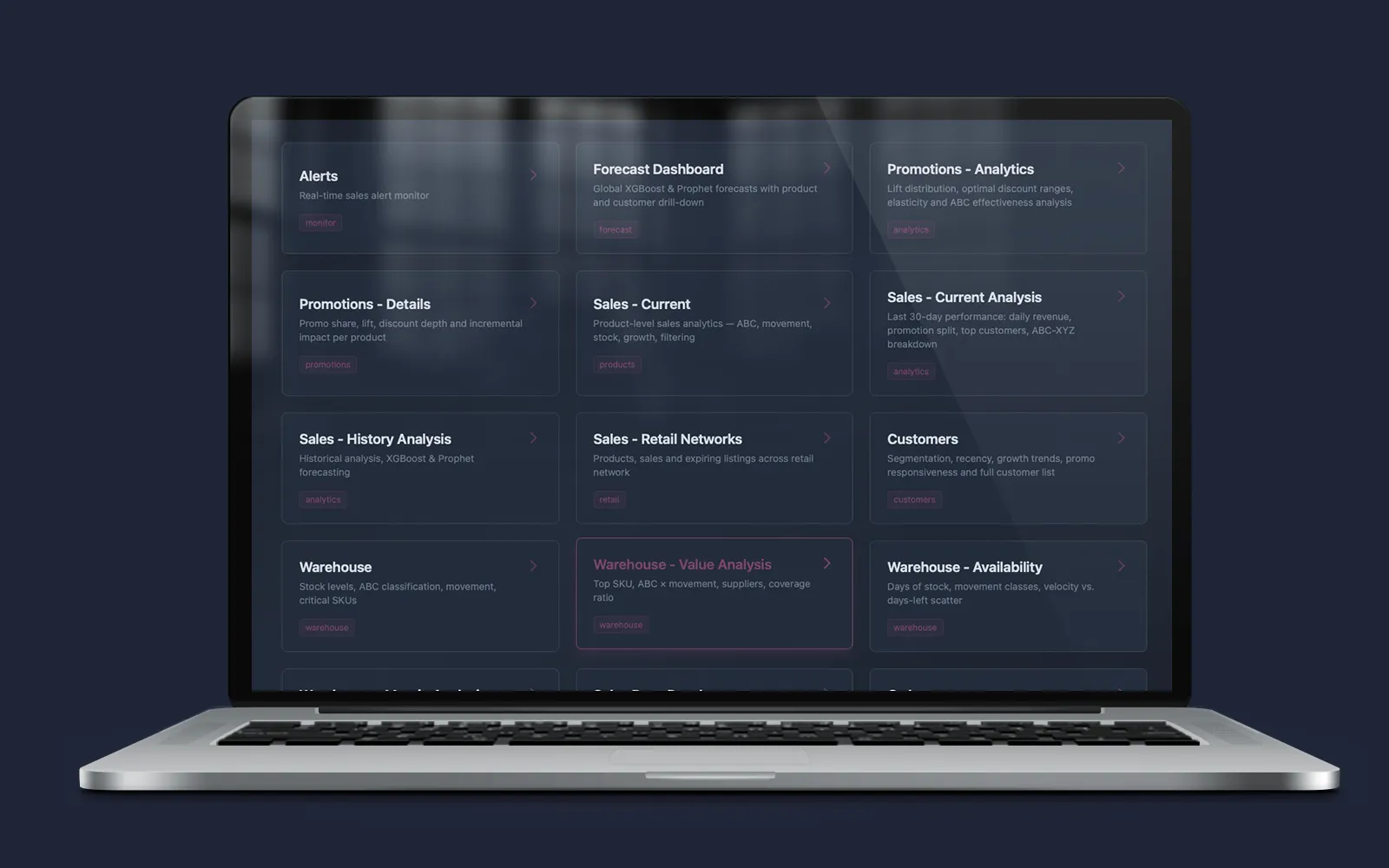
Step 4 – Quantis Logistics closes the operational loop
Quantis Logistics is an app built on Quantis for one purpose: logistics managers spend minutes on purchasing decisions, not hours on data preparation.
The system pulls inventory levels, ML demand forecasts, and supplier parameters to generate ready purchase proposals. The user verifies, approves, and sends. One click generates supplier-ready email with PDF and XLS.
Additionally: automated container planning (half-empty containers burn budget), FX exposure visibility for CFO before commitment, delivery confirmation tracking, and instant recalculation when lead times shift.
Quantis Logistics integrates with Comarch ERP Optima without replacing existing systems.
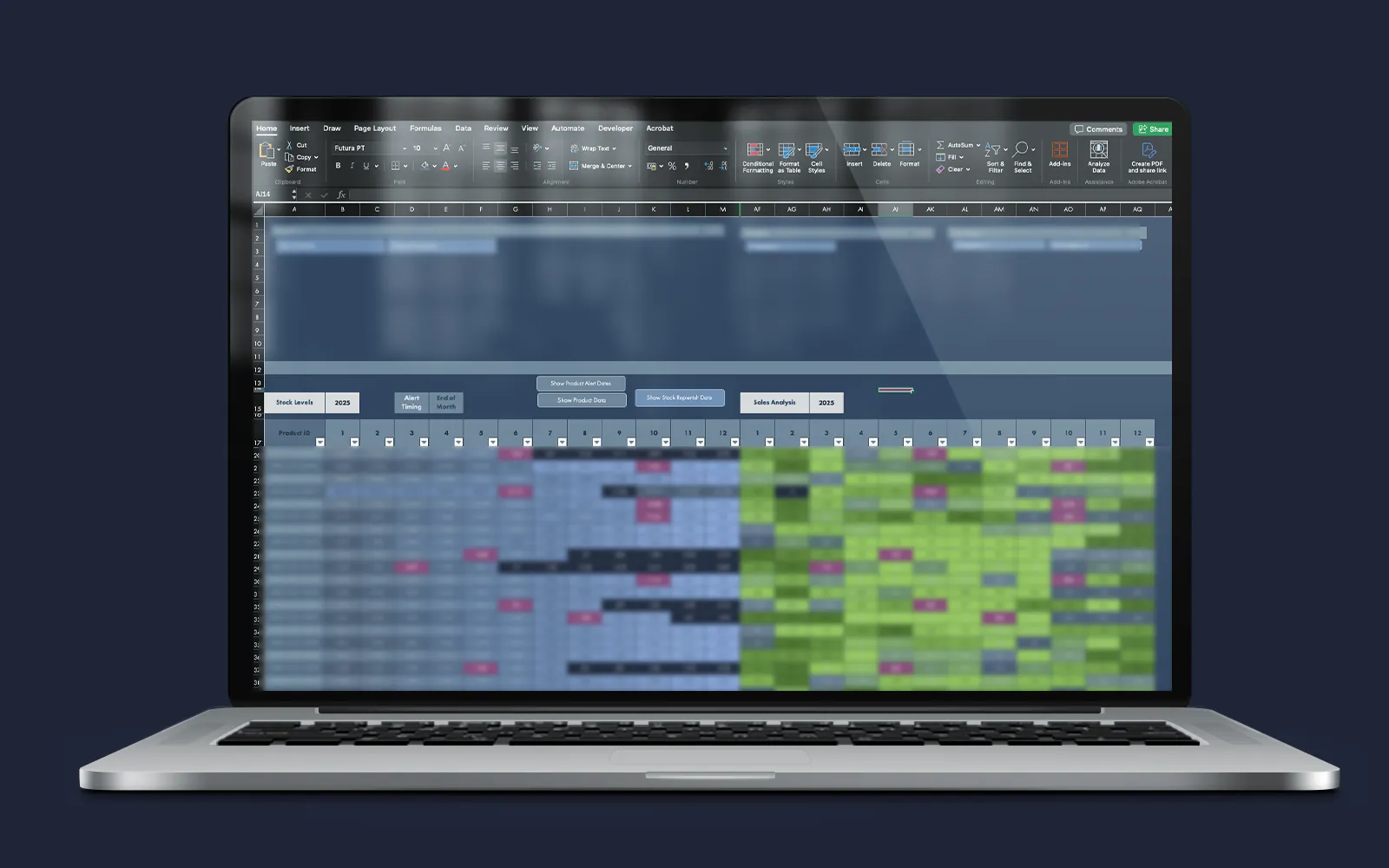
What changes in numbers
From analysis to order in under 5 minutes
From stock review to supplier order submission, the process completes fast enough not to block operations.
Zero manual calculations
Order creation runs without manual computation and without copy-pasting across spreadsheets.
ML-driven purchasing decisions
Purchasing is driven by ML forecasts instead of monthly averages and intuition.
Sales starts each day with an action plan
Instead of browsing historical exports, teams start with ready priorities and next-step recommendations.
Management receives reports without team effort
Reports are delivered automatically on schedule without manual preparation.
See how this model works in your company
Share your operational context and goals, and Origami Effect will propose a practical implementation path.
Implementation
Origami Effect does not deliver templates. We analyze your data flow: where data originates, who needs it, and which decisions it must support, then design architecture that fits your operational reality.
This is direct collaboration with system builders, not consultants who only read docs. You work with people who understand both technology and business context from real investor and fund environments where capital decisions were at stake.