


Interim Manager
& CFO
Implementation & Responsibility
Taking ownership.
Not giving recommendations.
Implementing a controlling system and full management responsibility through an Interim Manager and Finance Engineer means stepping into the organization in the role of a board member or CFO. Instead of ready-made slides and theoretical recommendations, a fully operational decision-making mechanism is built, combining data, systems, and real business results.
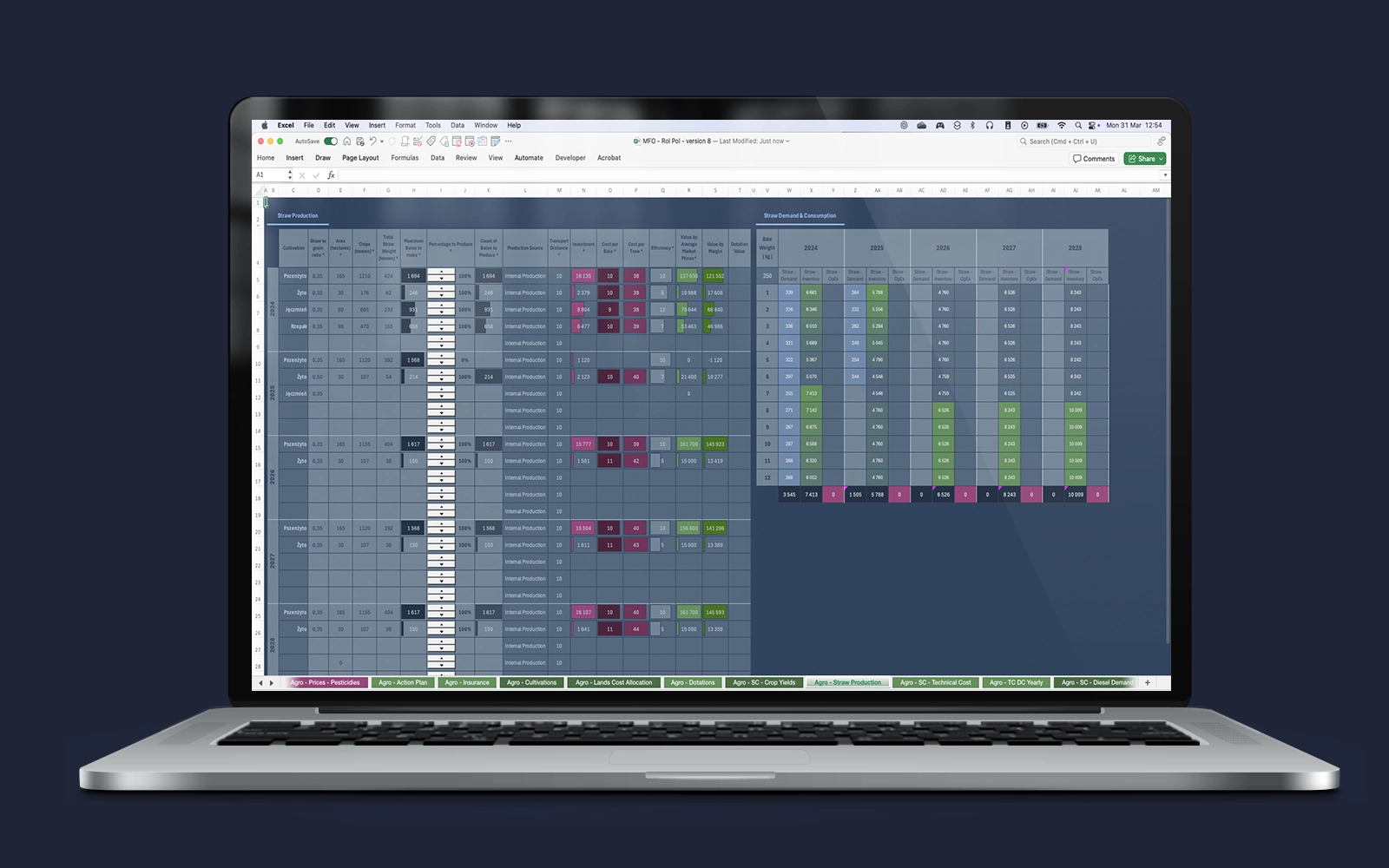
What do the board and owner expect from an Interim Manager?
Full Ownership
- 100% accountability for data and implementation without division into “ours” and “theirs”
- Concrete business results measured by operational indicators
- Stabilization of processes and elimination of arbitrariness in decision-making
Speed of Implementation
- Recruitment taking weeks instead of months of searching for a permanent CFO
- Immediate operational entry into the company’s structure
- Stabilization of key financial areas within a 3–6 month horizon
Decision Architecture
- Creation of a Single Source of Truth
- Closing scattered Excel spreadsheets into a coherent system
- Full transfer of knowledge and documentation to the internal team
Scope of Responsibility
Scope of Assumed Responsibility
Data Architecture & Reporting
Source auditing, designing a coherent analytical model, and implementing a unified database for the management board and operations.
Controlling & Operational Finance
Budgeting, variance analysis, cash flow management, and KPI steering as an active management system.
Tools & Automation Implementation
Designing analytical tools, automated management dashboards, and ensuring operational continuity.
Operational Model
Operational approach to business
A traditional advisor analyzes a problem, prepares a presentation, and finishes cooperation, leaving the implementation to the internal team. An Interim Manager enters the organization as an operator – designing the architecture, implementing tools, and personally taking responsibility for results in real market conditions.
Cooperation ends when the system operates fully autonomously, and the processes are implemented and stable. Instead of recommendations, a smoothly functioning management mechanism is delivered.
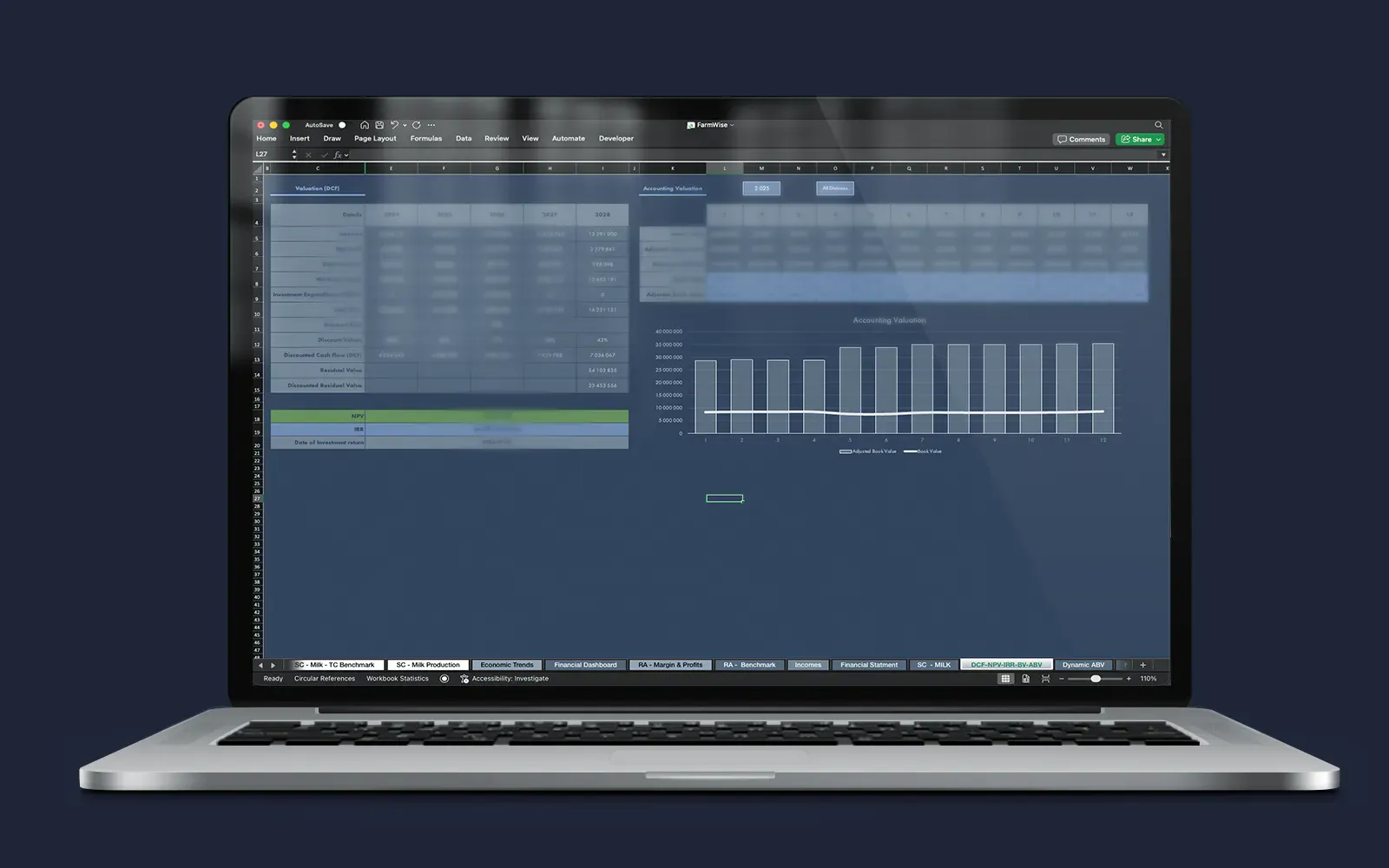
Cooperation stages step by step
The interim implementation process is carried out in an orderly manner, guaranteeing the minimization of operational risk and full control over the company’s financial transformation.
Support areas and methodology
Let’s discuss the challenges in your company
Briefly describe the organization’s current situation, and the Interim Manager will propose an action plan and engagement model tailored to your business needs.
Answers & Details
Frequently Asked Questions (FAQ)
How does an Interim Manager differ from a classic business advisor?
An advisor prepares a report, points out directions for change, and finishes the project, leaving the implementation to the internal team. An Interim Manager enters the organization in a decision-making role (e.g., as a CFO or COO), takes full responsibility for achieving goals, and personally handles the implementation of systems and processes in practice.
In what situations does hiring an Interim Manager make the most sense?
The most common scenarios are: a sudden vacancy in the financial director position or a lack of managerial competencies coupled with the need for immediate action, digital transformation of the financial and reporting function within the company, as well as periods of intensive restructuring or rapid growth (scaling the business).
What does the process of taking over duties and integrating with the current team look like?
Cooperation begins with an intensive operational and financial audit (usually within the first two weeks). Next, the Interim Manager designs and implements the decision-making architecture and reporting systems, while engaging internal departments to ultimately hand over fully automated tools to them.
Will the interim implementation disrupt the company’s daily operational functioning?
No. The analytical architecture and management processes are built in stages, parallel to the current business activity. This approach avoids operational paralysis and smoothly integrates individual departments into new working standards.
How long does a standard Interim Management project last?
The typical period of cooperation ranges from 3 to 6 months. This is an optimal timeframe allowing for thorough diagnostics, implementation of controlling systems, stabilization of management processes, and full knowledge transfer to the client’s team.
What happens after the project ends and the contract expires?
After stabilizing structures and implementing systems, management is fully handed over to the internal team. The client receives fully documented, working analytical mechanisms and ready-to-use tools that they can independently manage in the long term.
How is the confidentiality of sensitive financial data guaranteed?
All activities are carried out based on rigorous non-disclosure agreements (NDAs). Information security standards meet the highest requirements set by financial and auditing institutions in corporate processes.