

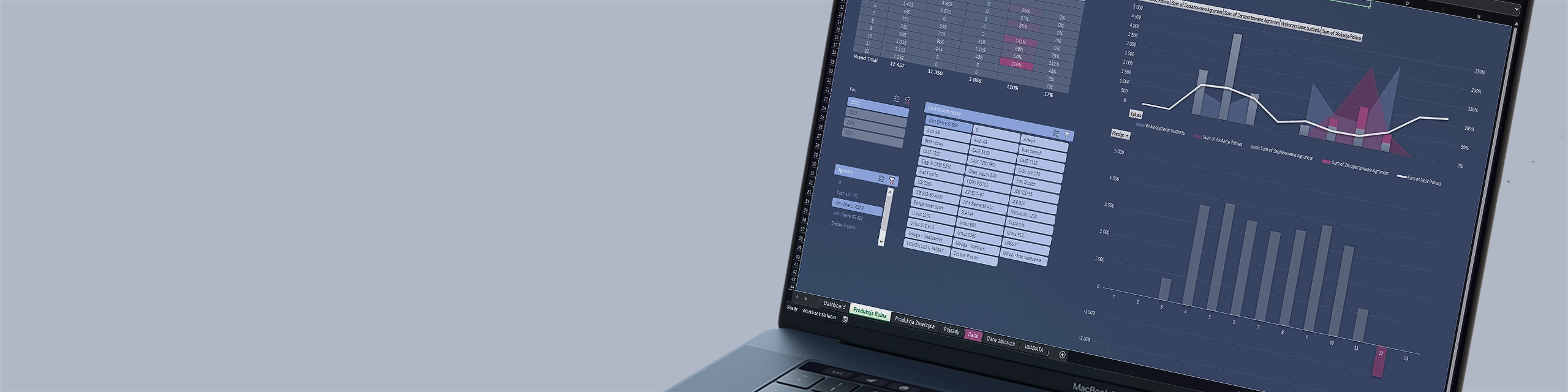
Oilhub – Analytical System for Fuel and Machinery Cost Management
What Oilhub can do:
- Shows who refueled, when and with what – data taken directly from the refueling list and assigned to the employee.
- Checks whether the person had planned work in SmartField – and whether they submitted a report.
- Verifies whether the operation of each loader is consistent with the plan created by the financial model.
- Automatically detects suspicious cases – e.g. refueling without work, work without refueling.
Oilhub is an integrated tool designed for precise control of fuel consumption and operational costs of vehicles in agricultural farms.
The application operates at the intersection of operational and financial data, providing full transparency and the ability to quickly verify any deviations.
What sets Oilhub apart?
Inter-system verification – anomaly detection
Oilhub not only pulls data from external systems (SmartField, MFO, OMS), but also enables their mutual comparison. This allows you to instantly detect:
- Vehicles that refueled more fuel than the demand defined in SmartField (for crop production),
- Exceedances of fuel consumption standards in livestock production — by comparing actual consumption with calculations from the financial model (MFO),
- Exceedances of the budget for spare parts and service — identified by combining invoices (OMS) with assigned costs and budget limits for each vehicle or machine.
Full automation and a consistent view of costs:
Oilhub automatically combines data from multiple sources into one consistent report that shows the full cost path – from invoice to budget and execution.
The system integrates data from:
- invoices (OMS) – along with assigning the cost to a specific machine or vehicle,
- financial budgets (MFO) – enabling automatic control of exceedances,
- SmartField – verifying whether the refueled fuel and used parts correspond to the actual work performed.
Everything happens automatically
Data from different systems are consolidated into one summary that clearly shows deviations and supports decision-making.
Fuel comparison: plan, execution, refueling
Oilhub integrates data from:
-
Cost invoices (OMS) – along with marking which machine or vehicle the part concerns,
-
Financial budgets (MFO) – to check whether repair and purchase costs are within the assumed limit,
- Three independent sources of fuel consumption data (SmartField + refueling):
- Planned fuel consumption value – resulting from the work schedule in SmartField,
- Reported fuel value – calculated based on actually performed and reported work by machine operators (both planned and additional),
- Actual consumption – resulting from data on refueled fuel.
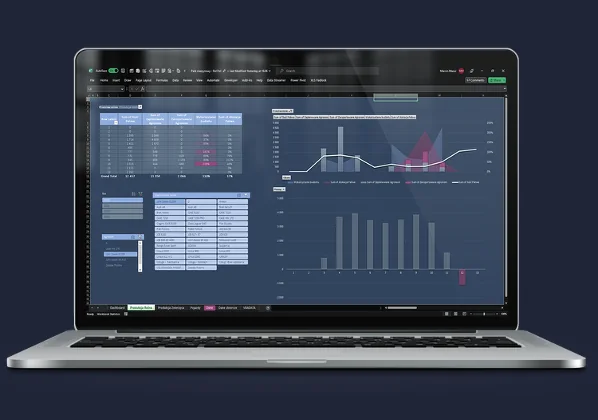
Thanks to this, it is possible to precisely capture the differences between what was planned, what was actually performed, and what was physically refueled.
The system automatically indicates deviations – whether resulting from inefficient work, reporting errors, abuse or failures.
Oilhub automatically analyzes spare parts and service costs, comparing them with the budget and actual machine utilization.
The system pulls data from invoices (OMS), assigning each item to a specific machine or vehicle. It then compares this information with:
- financial budgets from MFO – assigned to individual machines, types of parts or service activities,
- service history and vehicle utilization intensity – which allows assessment of whether the cost is justified.
If any machine generates excessive costs (e.g. exceeds the spare parts budget or goes to service too often), Oilhub will immediately flag it.
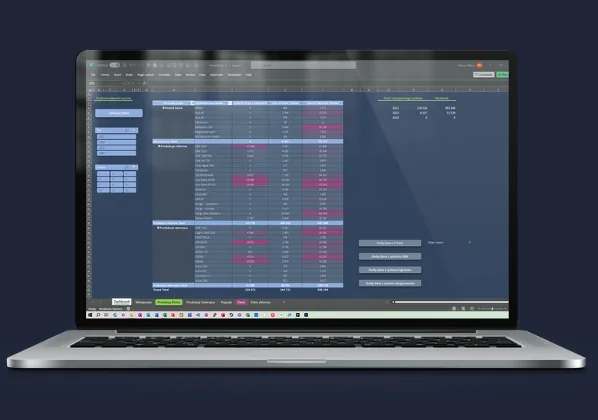
If any machine generates excessive costs (e.g. exceeds the spare parts budget or goes to service too often), Oilhub will immediately flag it.
The system allows quick filtering by:
- machine, month, cost type,
- supplier, part category,
- status: within norm / budget exceeded.
This makes it possible to immediately identify which vehicles generate the highest costs, why this is happening, and whether there are any irregularities in cost allocation (e.g. invoice mistakes, accounting errors, excessive consumption).
Automatic alerts and reports
The system indicates which vehicles exceed the budget in the selected period.
- Automation – minimum effort, maximum data for analysis
- Savings – quick identification of inefficiencies and losses.
- Alerts about deviations in refueling and spare parts costs.
- Transparency – every liter of fuel has its justification
- Summary and detailed reports: plan/report/refueling comparison, analysis of repair and parts costs.
The system indicates which vehicles exceed the budget in a given period.
Do you need someone who instantly understands the problem — and knows what to do with it?
Most companies have data. What’s missing is the idea of what to do with it — and someone who will actually execute it. Origami Effect provides both.